Analyzing War Replays for Strategy Improvement
9 min read Unlock advanced war tactics by learning how to analyze Clash of Clans war replays for strategic mastery.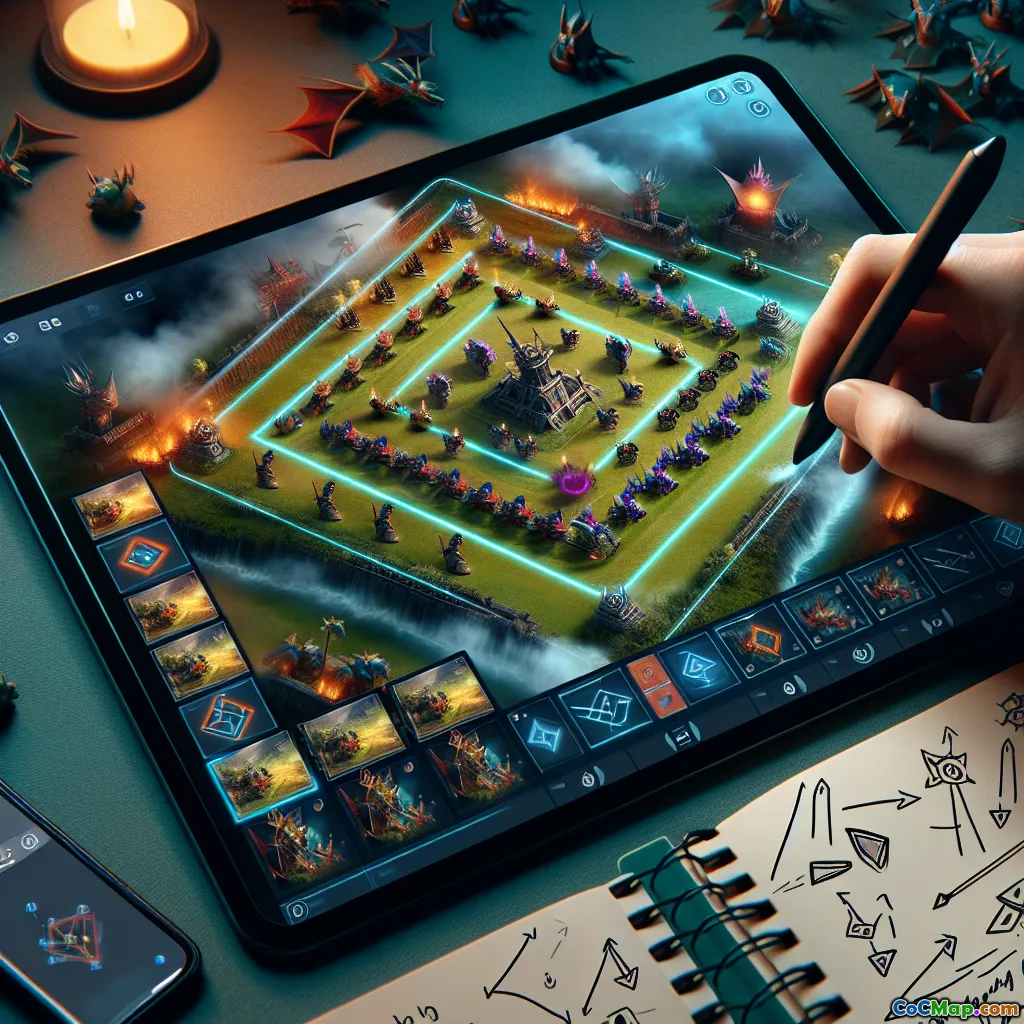
Analyzing War Replays for Strategy Improvement
Introduction
Have you ever wondered why some clans consistently dominate in Clan Wars, while others struggle to break past mediocre results? The secret weapon isn’t always the latest troop upgrade or a flashy new base—it’s the ability to analyze war replays with a critical eye. What if you could turn every defeat into a blueprint for future victories, and every victory into a lesson for even greater triumphs? In Clash of Clans, mastering the art of war replay analysis is the difference between repeating mistakes and forging a path to strategic excellence.
Why War Replay Analysis Matters
Turning Defeats into Learning Opportunities
Every war attack—win or lose—contains a wealth of information. By dissecting your own and your clanmates’ replays, you can pinpoint exactly where a plan broke down or where an unexpected base feature threw off the attack. This process transforms failures into valuable lessons, making every war a step toward mastery.
Gaining an Edge Over Opponents
Top clans don’t just rely on raw skill; they study their enemies. Reviewing both your attacks and enemy replays allows you to spot trends in base design, trap placement, and attack patterns. This intelligence fuels smarter planning and can give your clan the upper hand in future wars.
The Anatomy of a War Replay: What to Look For
1. Initial Scouting and Planning
- Troop Composition: Did the chosen army match the base’s weaknesses? For example, was a Queen Charge used against a base with exposed Air Defenses?
- Funnel Creation: Was the funnel effective in channeling troops where they were intended to go, or did they stray?
Example: If a Bowler/Healer smash failed because bowlers split, the replay can reveal a weak funnel point that needs adjustment.
2. Spell Placement and Timing
- Rage and Heal Spells: Were spells dropped where they provided maximum value? Did a Heal spell save a group of Hog Riders from a Giant Bomb, or was it wasted on a low-damage area?
- Freeze Spells: Did Freezes neutralize key defenses like Inferno Towers or Scattershots at the right moment?
In-Game Insight: Many pro players review their spell usage frame by frame, learning to delay or stack spells for greater effect.
3. Hero Deployment and Ability Usage
- Hero Pathing: Did heroes follow the intended route, or were they distracted by outside structures?
- Ability Timing: Was the Grand Warden’s Eternal Tome used to protect troops from a Giga Bomb, or was it mistimed?
Data Point: Top clans often assign an observer to track hero abilities in replays, noting optimal timing for future attacks.
4. Trap and Defense Reactions
- Trap Triggers: Where did Seeking Air Mines or Giant Bombs activate? Did they cripple key troops?
- Adaptive Traps: Did the enemy adjust trap placement after your first attack? Reviewing multiple replays can reveal evolving trap strategies.
5. Cleanup and Time Management
- Cleanup Troops: Were enough troops reserved for cleanup, or did the attack time out with buildings left?
- Time Fails: Did deployment order or slow funneling lead to a 99% time fail? Replays help identify and fix these issues.
How to Analyze Enemy Replays for Defensive Improvements
Spotting Base Weaknesses
- Common Entry Points: If multiple attackers target the same area, it’s likely a weak spot. Consider reinforcing it with extra traps or defensive structures.
- Trap Effectiveness: Did traps consistently catch attackers off guard, or were they easily baited and neutralized?
Example: If attackers always lure Clan Castle troops from the same spot, repositioning the CC or adding a Tesla farm can disrupt their plans.
Adapting to Meta Shifts
- Attack Trends: Are you seeing more hybrid attacks, air spam, or Super Bowler pushes? Adjust base design to counter the most common threats in your war tier.
- Replay Patterns: If your base repeatedly falls to the same strategy, it’s time for a redesign. Reviewing replays highlights which features need reworking.
Practical Steps for Effective Replay Analysis
1. Watch with a Critical Eye
Don’t just watch passively—pause, rewind, and take notes. Ask yourself:
- Why did the attack succeed or fail?
- Were there any unexpected outcomes?
- How could the plan be improved?
2. Collaborate with Clanmates
Replay analysis is most powerful when done as a team. Host replay review sessions after wars, encourage open discussion, and share insights. Diverse perspectives can uncover details you might miss alone.
Player Insight: Top competitive clans often assign specific members to review and present on different attacks, ensuring comprehensive coverage.
3. Use Tools and Features
- In-Game Tools: Use the slow-motion and pause features to break down complex moments.
- Third-Party Apps: Some clans use screen capture and annotation tools to highlight key moments and share feedback asynchronously.
4. Build a Replay Library
Save notable replays—both successes and failures. Over time, this library becomes a treasure trove of learning material for new members and a reference for planning future wars.
Common Pitfalls and How to Avoid Them
Over-Focusing on Stars
While stars are the ultimate goal, don’t ignore the details. Sometimes a 2-star attack reveals more about base weaknesses than a lucky 3-star.
Blaming Troop Levels Alone
It’s easy to blame failed attacks on under-leveled troops, but replay analysis often uncovers strategic errors—misplaced spells, poor funneling, or mistimed abilities.
Ignoring Enemy Adjustments
After a failed attack, many clans forget to check if the enemy changed their base or trap setup. Reviewing follow-up attacks ensures you’re not caught off guard by last-minute tweaks.
Case Study: From 1-Star to 3-Star
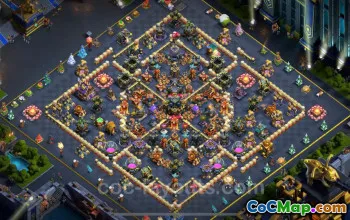
A Town Hall 13 attacker repeatedly failed to triple a ring base. After reviewing multiple replays, the clan noticed:
- The Queen was consistently distracted by outside structures, leading to a failed Queen Walk.
- Giant Bombs near the core wiped out Hog Riders before heal spells could be deployed.
Strategic Adjustment: The attacker improved funneling by using a Baby Dragon and delayed Hog deployment until the Queen cleared the outer ring. Healers were also redirected to support the Hogs at the right time. The result? A clean 3-star on the next attempt.
Conclusion
Analyzing war replays isn’t just for competitive players—it’s a skill that every clan member can develop to drive collective improvement. By dissecting attacks, sharing insights, and adapting strategies, your clan transforms every war into a learning opportunity. Don’t let valuable lessons slip by—turn your replays into a roadmap for victory. Next time you finish a war, gather your clan, hit that replay button, and unlock the secrets to strategic dominance.
Ready to level up your war game? Start building your replay review habit today—and watch your clan’s performance soar.