Balloon Bombs: Air Raid Strategies for Beginners
7 min read Discover comprehensive air raid strategies centered on Balloon Bombs for beginners, including deployment tips, attack patterns, and troop synergy to elevate your Clash of Clans gameplay.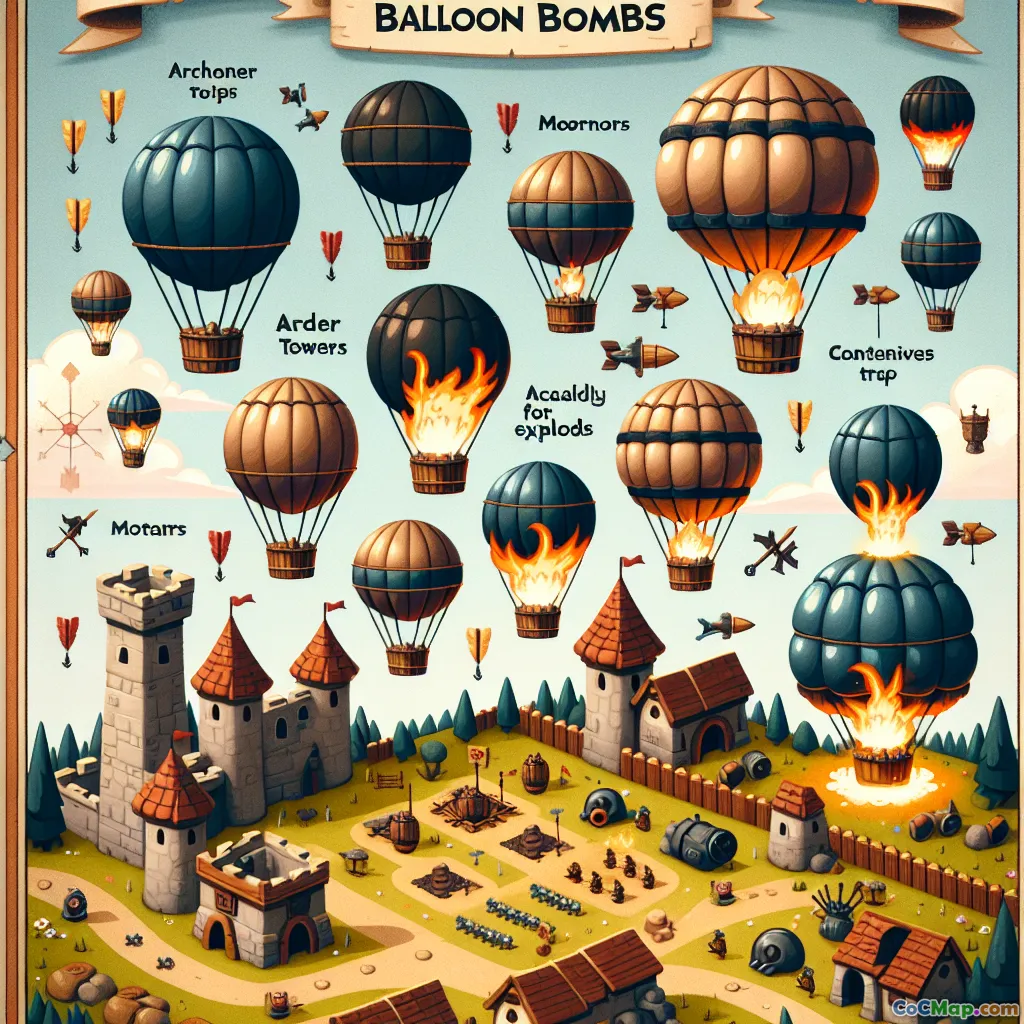
Balloon Bombs: Air Raid Strategies for Beginners
Introduction
Have you ever wondered how to turn a simple Balloon attack into a devastating air raid that can dismantle even the toughest defenses? Balloon Bombs are one of the most iconic and effective troop compositions in Clash of Clans, especially for beginners eager to learn the ropes of air attack strategies. Despite their straightforward appearance, mastering Balloon Bombs requires understanding troop deployment, timing, spell support, and target prioritization. This guide aims to unpack everything a beginner needs to know about deploying Balloon Bombs effectively, transforming your raids from mediocre to memorable.
The Power of Balloon Bombs: Why They Matter
Balloon Bombs, consisting of Balloon troops supported by spells like Rage or Haste, excel at quickly destroying defenses and key structures. Their high damage per second (DPS) and ability to target defenses make them ideal for taking down splash damage structures like Wizard Towers and Air Defenses. For beginners, Balloon Bombs offer a forgiving entry point into air raid tactics because of their predictable attack pattern and the ability to plan attacks around their strengths.
Understanding why Balloon Bombs are effective is essential. Their strengths include:
- High Damage Output: Each Balloon deals significant damage, capable of wiping out defenses with a few hits.
- Targeting Priority: Balloons prioritize defenses, which are the most threatening structures to air units.
- Ease of Deployment: Their straightforward attack pattern makes them beginner-friendly.
- Synergy with Spells: Spells like Rage and Haste amplify their effectiveness, allowing quick destruction.
However, they are vulnerable to air-targeting troops and traps, making strategic deployment vital.
Composition and Preparation
Core Troop Composition
A typical Balloon attack for beginners involves:
- Balloon Units: 10-15 Balloons, depending on the target base and troop capacity.
- Support Spells: 1-2 Rage Spells, 1 Haste Spell, and possibly a Heal or Freeze if needed.
- Additional Support: Minions or Baby Dragons can be used for cleanup.
Choosing the Right Base
Successful Balloon Bombs depend heavily on base layout. Ideal targets include:
- Bases with clustered Air Defenses.
- Defenses placed close to the core.
- Weak or exposed air defenses.
Avoid heavily air-targeted bases with well-placed traps and multiple Air Defenses spread out.
Troop Upgrades
Ensure your Balloons are upgraded to maximize damage and durability. Upgraded Balloons can withstand traps better and deliver more damage, reducing the number needed per attack.
Deployment Strategies
Pre-attack Planning
- Scout the Base: Identify Air Defense locations, trap placements, and high-value targets.
- Plan Attack Path: Decide which Air Defense to take down first, usually the closest or most accessible.
- Spell Placement: Determine where to deploy spells for maximum impact.
Attack Execution
- Initial Distraction: Use a few Minions or a Baby Dragon to lure out traps or test defenses.
- Primary Deployment: Drop Balloons in clusters near targeted defenses, ideally starting with the closest or most vulnerable ones.
- Spell Timing: Cast Rage spells over the Balloons as they approach high-damage defenses for quick destruction.
- Haste for Speed: Use Haste spells to accelerate Balloon movement, especially when approaching core defenses.
- Cleanup: Use remaining troops or spells to clear the remaining structures.
Example Deployment Pattern
- Deploy 3-4 Balloons near each Air Defense.
- Cast Rage when Balloons are within range of defenses.
- Use Haste to rush through core defenses.
- Drop spells in a way that overlaps damage zones for maximum effect.
Common Challenges and How to Overcome Them
Trap Awareness
Air traps like Seeking Air Mines and Air Bombs can wipe out large groups of Balloons. Always scout for trap placements, especially near high-value defenses.
Air Defense Placement
Multiple Air Defenses can overwhelm Balloon attacks. Focus on taking down one or two defenses at a time, prioritizing the most threatening.
Spell Management
Using spells efficiently is crucial. Over-spending can leave your attack vulnerable, while under-spending reduces effectiveness. Practice timing and placement.
Base Design
Some bases are inherently resistant to Balloon attacks due to layout. In such cases, consider alternative attack strategies or troop compositions.
Tips for Success
- Practice in Friendly Challenges: Hone your deployment and spell timing without risking resources.
- Use War and Clan Games: Test Balloon strategies in different scenarios for better understanding.
- Upgrade Air Defenses and Air Troops: Stronger defenses and troops increase raid success rates.
- Combine with Other Troops: Support Balloon attacks with Minions or Wizards to handle cleanup or distract defenses.
- Learn from Replays: Watch successful Balloon raids by experienced players to refine your technique.
Conclusion
Mastering Balloon Bombs as a beginner in Clash of Clans opens a new dimension of attack strategy—combining simplicity with power. By understanding troop placement, spell support, and base scouting, you can execute air raids that dismantle defenses efficiently. Remember, practice makes perfect; experiment with different layouts, troop compositions, and spell timings to find what works best for your playstyle. As you grow more confident, Balloon Bombs can become a core part of your attack arsenal, helping you climb the ranks and achieve your Clash goals. So load up those Balloons, plan your attack, and take to the skies—victory awaits!