Clash tactics: strategic trap positioning for winning defenses
11 min read Master the art of trap positioning in Clash of Clans to turn the tide of battle and secure winning defenses.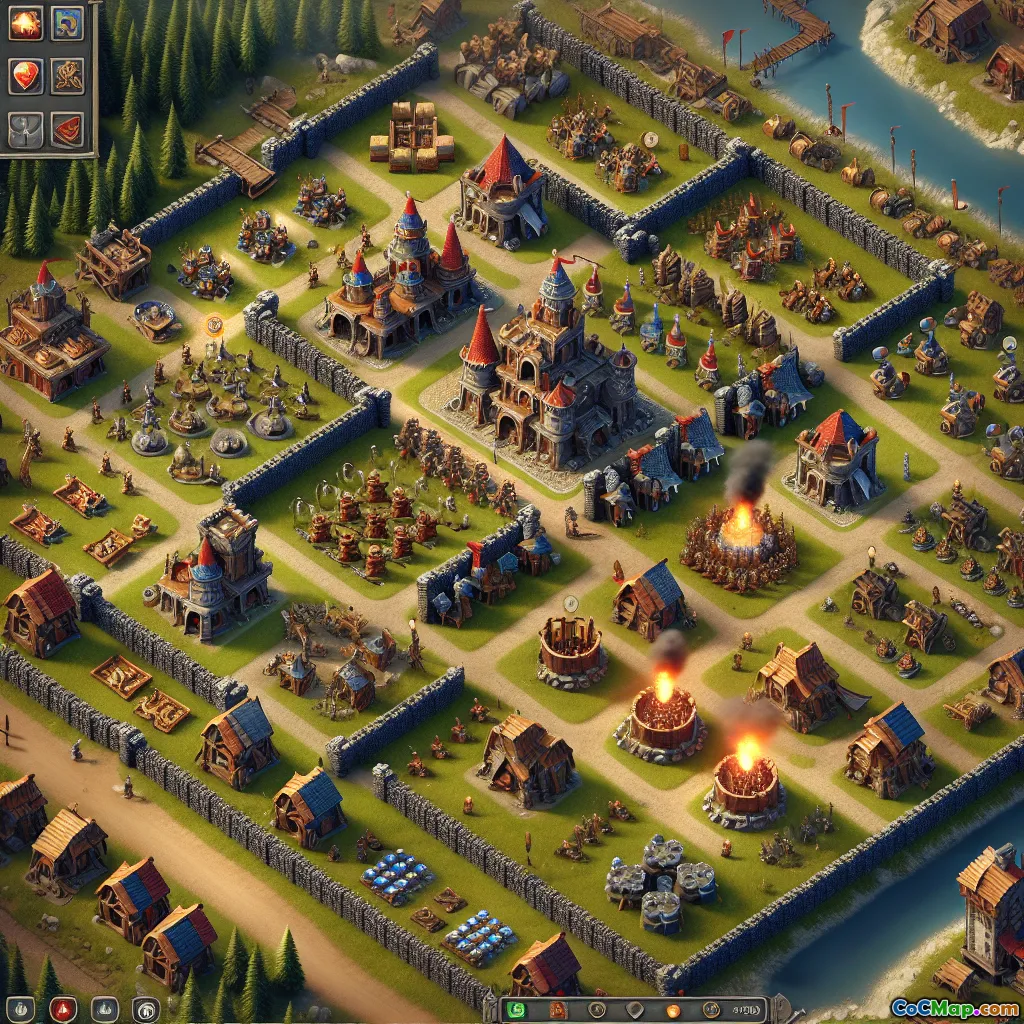
Clash tactics: strategic trap positioning for winning defenses
Introduction
What if the difference between a crushing defeat and a glorious defense in Clash of Clans came down to a single, invisible tile? Imagine a top attacker’s army—meticulously planned, spell-boosted, and hero-led—crumbling in seconds, not to your walls or cannons, but to a perfectly placed Giant Bomb or a cleverly hidden Seeking Air Mine. Trap positioning is the silent art of defense, often overlooked but absolutely pivotal in determining the fate of your base. Are your traps truly working for you, or are they just filling space?
This guide will dive deep into the nuanced world of trap placement, equipping you with the knowledge and tactical edge to transform your base into a fortress that even seasoned attackers dread.
Understanding the Psychology of Attackers
Predicting Pathing and Army Movement
Every successful trap placement starts with understanding how attackers think. Most players follow predictable patterns: they target weak points, funnel troops towards high-value defenses, or exploit exposed resource buildings. Knowing these tendencies lets you anticipate their moves.
Example:
- Attackers often drop a few troops to test for traps near open compartments or resource-rich zones. If your traps are too obvious, they’ll be triggered by expendable troops and wasted.
- Conversely, traps placed in less obvious, high-traffic paths—such as between two high-value defenses or behind a funnel—are more likely to catch the main force.
Pro Tip: Watch replays of attacks on your base. Where do most troops enter? Where do they bunch up? Adjust your trap positions accordingly.
Types of Traps and Their Optimal Uses
1. Spring Traps
- Best against: Hog Riders, Giants, Bowlers, Valkyries
- Optimal placement: Between defenses that are two tiles apart, especially along common pathing routes. Avoid placing them where only single troops pass.
- Why it works: Spring Traps can eject up to three troops at once. Placing them on narrow paths or between defenses forces attackers to lose valuable units in the middle of their push.
2. Bombs & Giant Bombs
- Best against: Hog Riders, Miners, Wizards, Witch armies
- Optimal placement: Inside compartments where troops are likely to group up, especially near key defenses or where attackers are forced to break through walls.
- Why it works: Giant Bombs are devastating to groups of mid-health troops. Pairing two Giant Bombs can wipe out entire Hog Rider squads if timed right.
3. Air Bombs & Seeking Air Mines
- Best against: Balloons, LavaLoon, Healers, Dragons
- Optimal placement: Along likely air pathing routes, especially near Air Defenses or behind high-value targets like the Archer Queen.
- Why it works: Seeking Air Mines target high-HP air units, making them ideal for taking out Healers during Queen Walks or Balloons in mass air attacks.
4. Skeleton Traps
- Best against: Heroes, slow-moving troops, clean-up units
- Optimal placement: Set to air or ground depending on meta. Place near the core or high-value buildings to distract and delay heroes or clean-up troops.
- Why it works: Skeleton Traps can stall enemy heroes or clean-up troops, buying time for your defenses to finish them off.
Strategic Trap Placement: Key Principles
1. Avoid Predictability
Attackers expect traps in certain locations—like just inside the first layer of walls or clustered near storages. Vary your trap placement after each war or major attack. Rotate between obvious and unexpected spots to keep attackers guessing.
Example: After a war, if your Giant Bombs were triggered early, move them deeper into your base for the next round.
2. Synergy with Defenses and Pathing
Traps are most effective when paired with other defenses. Position Spring Traps between defenses that force troops to walk over them. Place Air Bombs near Air Defenses, but not so close that a single spell can neutralize both.
Example: A Giant Bomb placed next to a Wizard Tower can finish off weakened troops that survive the splash damage.
3. Baiting and Redirection
Use traps to bait attackers into making mistakes. Place a few low-value buildings outside your base to lure troops toward a high-trap zone. Alternatively, leave a compartment seemingly under-defended, but fill it with traps to punish overconfident attackers.
Example: Skeleton Traps set to air can catch unsuspecting Balloons during a LavaLoon attack, especially if they’re drawn toward a lone Archer Tower.
4. Adaptation to Meta and Army Compositions
The most successful defenders constantly adapt their trap layouts based on the current attack meta. If Queen Charge attacks are popular, prioritize Seeking Air Mines along healer pathing. If Hog Riders dominate, double up on Giant Bombs along likely hog routes.
Player Insight: Top war clans regularly swap trap locations before each war, based on scouting reports and expected attacker strategies.
Advanced Trap Positioning: Pro Techniques
1. Double Giant Bombs for Hog Rider Attacks
Hog Riders are vulnerable to Giant Bombs, but only if both bombs detonate simultaneously. Place two Giant Bombs in adjacent tiles along the most likely hog path—usually between high-value defenses like the Archer Queen and Wizard Tower.
Why it works: A double Giant Bomb instantly wipes out Hog Riders, especially when combined with splash damage from a nearby Wizard Tower.
2. Spring Trap Chains for Funnel Disruption
Create a chain of Spring Traps along a narrow path where attackers often funnel troops. This is especially effective against ground attacks like GoWiPe or Valkyrie pushes.
Example: Three Spring Traps in a row can remove up to nine troops, breaking the momentum of an attack.
3. Air Trap Clusters for Anti-LavaLoon
Place multiple Air Bombs and Seeking Air Mines along the path Balloons are likely to take after Lava Hounds pop. Stagger their placement so that not all traps are triggered by the first wave.
Why it works: This maximizes damage to Balloons and increases the chance of stopping a three-star attack.
4. Trap and Teslas Synergy
Hidden Teslas can be paired with traps for devastating effects. Place Teslas in spots where attackers least expect them, supported by Skeleton Traps or Giant Bombs. This surprise can disrupt even the most well-planned attack.
Example: A Tesla farm in a corner, surrounded by Giant Bombs and Skeleton Traps, can stall and destroy clean-up troops or heroes.
Common Trap Placement Mistakes and How to Fix Them
- Clustering traps together: Spells like Heal or Freeze can neutralize multiple traps at once. Spread them out to cover more ground and force attackers to use more resources.
- Neglecting air traps: Many players focus only on ground defenses. Always balance your trap setup based on what’s popular in the meta.
- Ignoring base symmetry: Symmetrical bases make trap locations predictable. Add asymmetry to force attackers to guess.
- Leaving traps in rarely used paths: Watch your replays. If traps aren’t triggering, move them to higher-traffic areas.
- Not updating traps for new strategies: Stay aware of new attack trends and adjust your trap layout regularly.
Conclusion: Turning Traps into Game-Changers
The silent power of traps lies not in their numbers, but in their placement and timing. Mastering trap positioning is a blend of psychology, observation, and adaptation. By thinking like an attacker, leveraging trap synergies, and constantly evolving your base setup, you transform your defenses from static obstacles into dynamic threats.
Next time you watch a replay and see a wave of troops vanish to a perfectly placed trap, remember: defense isn’t just about strength—it’s about outsmarting your opponent. Experiment, analyze, and refine your trap placements. That single, invisible tile might just be the reason you win your next war.