Dragon Flight Paths and Attack Planning
7 min read Explore the intricate flight paths of Dragons in Clash of Clans and learn how to plan effective air attacks for maximum destruction.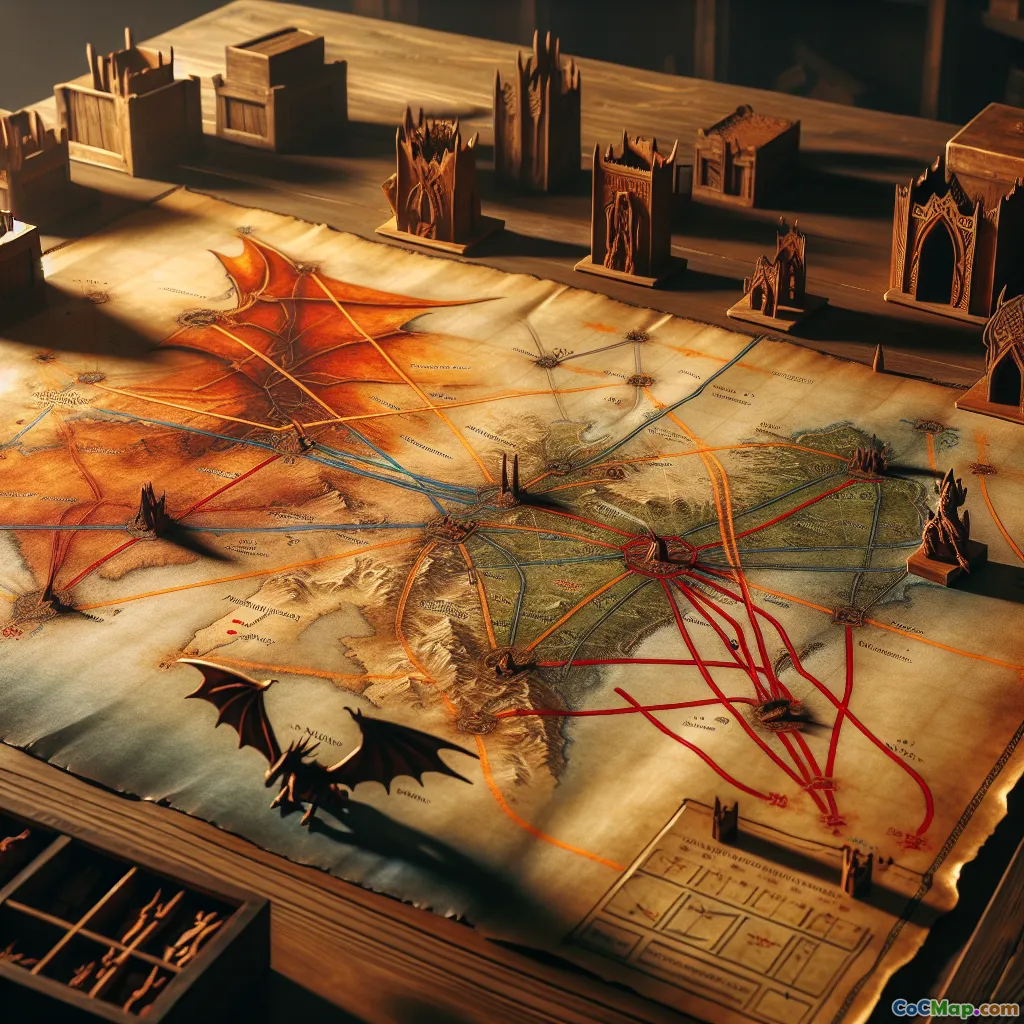
Dragon Flight Paths and Attack Planning
Introduction
Have you ever wondered why some Dragon attacks seem to effortlessly obliterate defenses while others fall short? The secret often lies in understanding the precise flight paths of Dragons and how to leverage that knowledge for optimal attack planning. In Clash of Clans, Dragons are a powerful aerial troop capable of wreaking havoc when deployed correctly, but their effectiveness hinges on understanding their flight behavior and integrating this into your attack strategy. This article dives deep into the nuances of Dragon flight paths, how to predict their movement, and how to craft attack plans that maximize their destructive potential.
Understanding Dragon Flight Mechanics
How Do Dragons Move?
Dragons in Clash of Clans follow a predictable, yet strategically exploitable, flight pattern. When deployed, they ascend vertically towards their target, then hover and swoop down in a semi-circular arc before retreating or moving on to the next target. Their movement is influenced by proximity to defenses, target prioritization, and terrain obstacles.
Flight Path Characteristics
- Vertical Ascent: Upon deployment, Dragons ascend directly towards the nearest high-value target, typically defenses or the Town Hall.
- Hovering and Swooping: Once in range, they hover momentarily, then swoop down in a curved trajectory, often targeting defenses in a semi-circular pattern.
- Retreat and Target Switching: If their current target is destroyed or out of range, they may switch to the next closest target, following a similar flight arc.
Understanding these mechanics allows players to predict where Dragons will fly and how they will engage with enemy defenses.
Analyzing Flight Paths for Effective Attack Planning
Mapping the Attack Zone
Before deploying Dragons, analyze the base layout to identify choke points, high-damage defenses, and the placement of air-targeting defenses like Air Defenses, Archer Towers, and Air Bombs. Recognize that Dragons tend to follow a semi-circular path around the base, targeting defenses in sequence.
Positioning for Optimal Flight Paths
- Placement of Clan Castle and Air Defenses: Position these centrally or strategically to intercept Dragons early in their flight path.
- Funneling: Use ground troops or spells to funnel Dragons towards the most vulnerable sections of the base, guiding their flight paths.
- Layered Defenses: Design base layouts to create layered defenses that force Dragons into predictable flight arcs, allowing for targeted spell placement.
Predicting Engagement Points
By understanding the flight mechanics, you can anticipate where Dragons will engage defenses. For example, if the Air Defense is placed on the perimeter, Dragons will likely target it early, making it a prime candidate for spells like Lightning or Earthquake to weaken their assault.
Attack Strategies Leveraging Flight Paths
Coordinated Spell Usage
- Rage Spells: Position near clustered defenses or where Dragons are expected to swoop down for maximum damage.
- Haste Spells: Use to accelerate Dragons through choke points or over high-damage areas.
- Freeze Spells: Timing is critical; freeze key defenses like Inferno Towers or Air Bombs just as Dragons enter their range.
Deployment Tactics
- Sequential Deployment: Deploy Dragons gradually to control their flight path, ensuring they target high-priority defenses in order.
- Mass Deployment: Drop all Dragons simultaneously for a concentrated attack, overwhelming defenses along their predictable flight paths.
- Mixed Air Units: Combine Dragons with Balloons or Minions to cover their blind spots or to distract air defenses.
Case Study: Effective Air Raid
For example, deploying a line of Dragons along the edge of the base, followed by spells to weaken the Air Defense, can lead to a swift and decisive attack. By predicting their flight arcs, you can time spells to coincide with their swooping phase, maximizing damage.
Advanced Tips for Mastering Dragon Flight Control
Custom Base Design
Design your base layout to manipulate Dragon flight paths, such as placing Air Defenses at angles that force Dragons into predictable arcs, or creating compartments that funnel them into kill zones.
Spell Timing and Placement
Practice timing your spells to coincide with the Dragons' swooping phase, ensuring defenses are neutralized at the right moment.
Monitoring and Adjusting
During attacks, observe how Dragons follow the flight paths and adjust your spell placement or troop deployment in real-time for better results.
Conclusion
Mastering the flight paths of Dragons in Clash of Clans is a key element of effective air attack planning. By understanding their movement mechanics, analyzing base layouts, and deploying spells and troops strategically, you can maximize their destructive potential while minimizing losses. Whether you're a seasoned attacker or a budding strategist, integrating flight path knowledge into your attack plans will elevate your gameplay and help you achieve victory more consistently. Keep practicing, observe your Dragons' flight patterns, and refine your approach—your next big victory is just a well-planned flight away.