Effective Trap Placement Strategies in Clash of Clans
8 min read Discover expert-level trap placement strategies in Clash of Clans to fortify your base, thwart attackers, and climb the ranks with smarter defenses.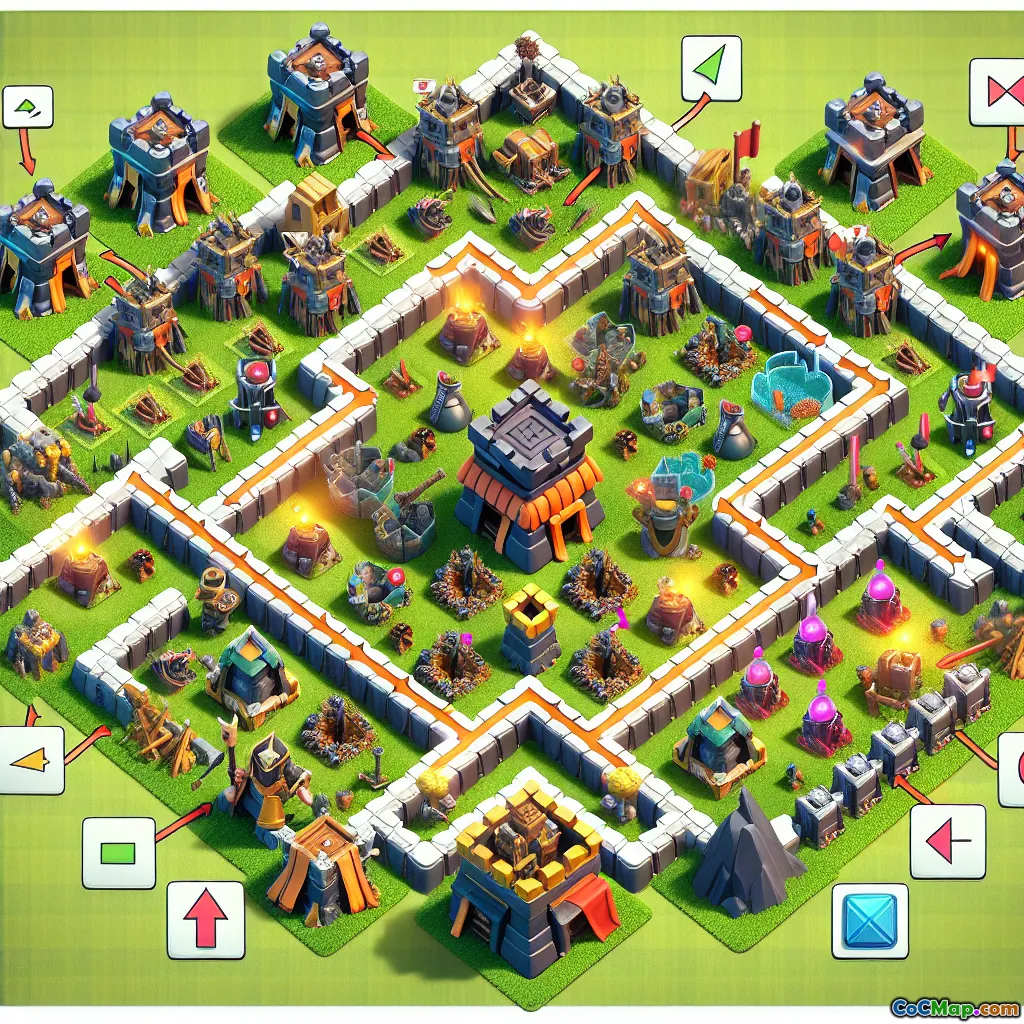
Effective Trap Placement Strategies in Clash of Clans
Introduction
Have you ever wondered why some bases withstand relentless attacks while others crumble instantly? The secret often lies in how traps are strategically placed. In Clash of Clans, traps are silent defenders—hidden yet deadly—capable of turning the tide of battle when used correctly. Mastering trap placement isn't just about randomly scattering bombs or spring traps; it’s about understanding attacker behavior, anticipating their path, and deploying traps where they’ll do the most damage. This article dives deep into effective trap placement strategies, backed by in-game data, player insights, and tactical principles, helping you elevate your defensive game to new heights.
Why Trap Placement Matters
Traps are the game’s stealthy defenders, designed to surprise and eliminate enemy troops. Proper placement can significantly reduce the damage inflicted on your defenses and resources, and can even thwart entire attack strategies. Unlike walls or towers, traps are invisible until triggered, making their placement a blend of psychology, prediction, and strategic foresight.
The Psychological Edge
Good trap placement can manipulate enemy attack patterns. For example, placing a Spring Trap near a common entry point can discourage attackers from funneling troops through that path, forcing them into less advantageous routes. This psychological aspect is crucial—if attackers anticipate traps, they may alter their approach, potentially exposing themselves to other defenses.
Resource Preservation
Effective trap placement can also protect your resources. By funneling enemy troops into kill zones, you can maximize damage and minimize resource loss, especially during farming. Knowing where attackers tend to deploy their troops allows you to position traps to intercept and eliminate them efficiently.
Key Principles of Effective Trap Placement
1. Understand Common Attack Paths
Most attackers follow predictable patterns, especially in multiplayer battles or during clan wars. Analyzing replays of successful attacks can reveal these paths. Once identified, place traps along these routes—near entry points, around key defenses, or at choke points—to maximize their impact.
2. Use Choke Points Wisely
Choke points are narrow passages where multiple defenses converge. Placing traps here ensures that enemy troops are funneled into a concentrated area of damage. For example, a Spring Trap placed at a narrow bridge or a narrow corridor can eliminate multiple units in one shot.
3. Cover Critical Defensive Structures
High-value defenses like the Eagle Artillery, Inferno Towers, or Clan Castle should be reinforced with traps. This not only protects these structures but also ensures that attacking troops are weakened before reaching your core defenses.
4. Exploit Enemy Troop Weaknesses
Different troops are vulnerable to specific traps. For instance, Hog Riders are susceptible to Spring Traps, while Balloons are vulnerable to Air Bombs. Tailor your trap placement based on the prevalent attack strategies in your clan or league.
5. Hide Traps Behind Walls
Concealing traps behind walls or within compartments makes them harder to detect and disarm. Use walls to obscure trap locations, especially in areas where attackers are likely to deploy their spells or units.
6. Balance Trap Types and Placement
Using a mix of Bombs, Spring Traps, Air Bombs, and Giant Bombs creates a layered defense. Distribute them strategically to cover multiple attack routes and troop types, preventing attackers from easily bypassing your defenses.
Practical Trap Placement Strategies
A. The Funnel Approach
Create a funnel that guides enemy troops into trap zones. For example, place Spring Traps at the narrow entrances of your base, forcing troops into the center where they trigger Giant Bombs and Air Bombs. This method is particularly effective against mass troop attacks.
B. The Corner Trap Deployment
Corners are often overlooked but can be effective spots for traps. Placing Giant Bombs or Air Bombs in corners can surprise troops that are circling or attacking from unexpected angles.
C. Defensive Layering
Layer your traps within multiple compartments. For instance, place a Spring Trap just inside the main entrance, followed by Air Bombs near splash defenses, and Giant Bombs near high-value targets. This layered approach ensures multiple points of damage.
D. Trap Clusters
Group traps close together in high-traffic zones to amplify damage. For example, clustering Air Bombs and seeking air mines near your Air Defense can decimate air raids.
E. Adaptation and Flexibility
Regularly review attack replays and update trap placements accordingly. As attack strategies evolve, so should your trap layout. Flexibility is key to maintaining an effective defense.
Examples of Effective Trap Layouts
- The Centralized Core Trap Layout: Place Giant Bombs and Spring Traps in the core, surrounded by splash defenses, to create a deadly kill zone.
- The Perimeter Trap Design: Position Air Bombs and seeking air mines along the outer walls, targeting balloons and dragons early.
- The Funnel Trap Strategy: Use Spring Traps at entry points, with additional traps hidden within the base’s interior to catch troops once they are committed.
Final Tips for Maximizing Trap Efficiency
- Stay Informed: Keep up with the latest attack trends in your league or clan to anticipate common troop compositions.
- Test and Tweak: Use friendly challenges or replays to test trap effectiveness and adjust placements as needed.
- Balance Defense and Resources: While traps are vital, ensure they complement your overall base design without compromising resource protection.
- Use Visual Cues: Incorporate visual cues like trap signs or subtle wall designs to mislead attackers about trap locations.
Conclusion
Trap placement in Clash of Clans is both an art and a science. It requires understanding attacker psychology, predicting troop movements, and strategically deploying silent killers where they can do the most damage. Well-placed traps can turn a weak base into an impregnable fortress, frustrate even the most aggressive attackers, and save your resources and trophies. By mastering these strategies, you’ll not only defend more effectively but also develop a deeper understanding of the game’s tactical depth. Remember, every successful defense starts with smart trap placement—so stay vigilant, adapt constantly, and keep your enemies guessing.