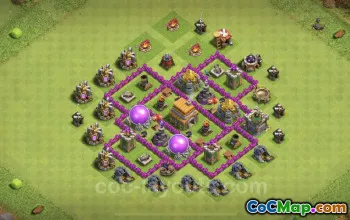
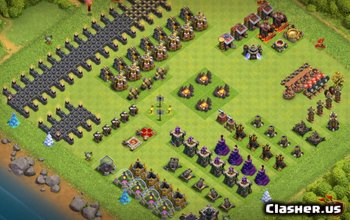
Mastering Trap Synergy: Combining Bombs, Giant Bombs, and Tornado Traps for Defense
10 min read Unlock the secrets of trap synergy—learn how to combine Bombs, Giant Bombs, and Tornado Traps for unbeatable Clash of Clans defense.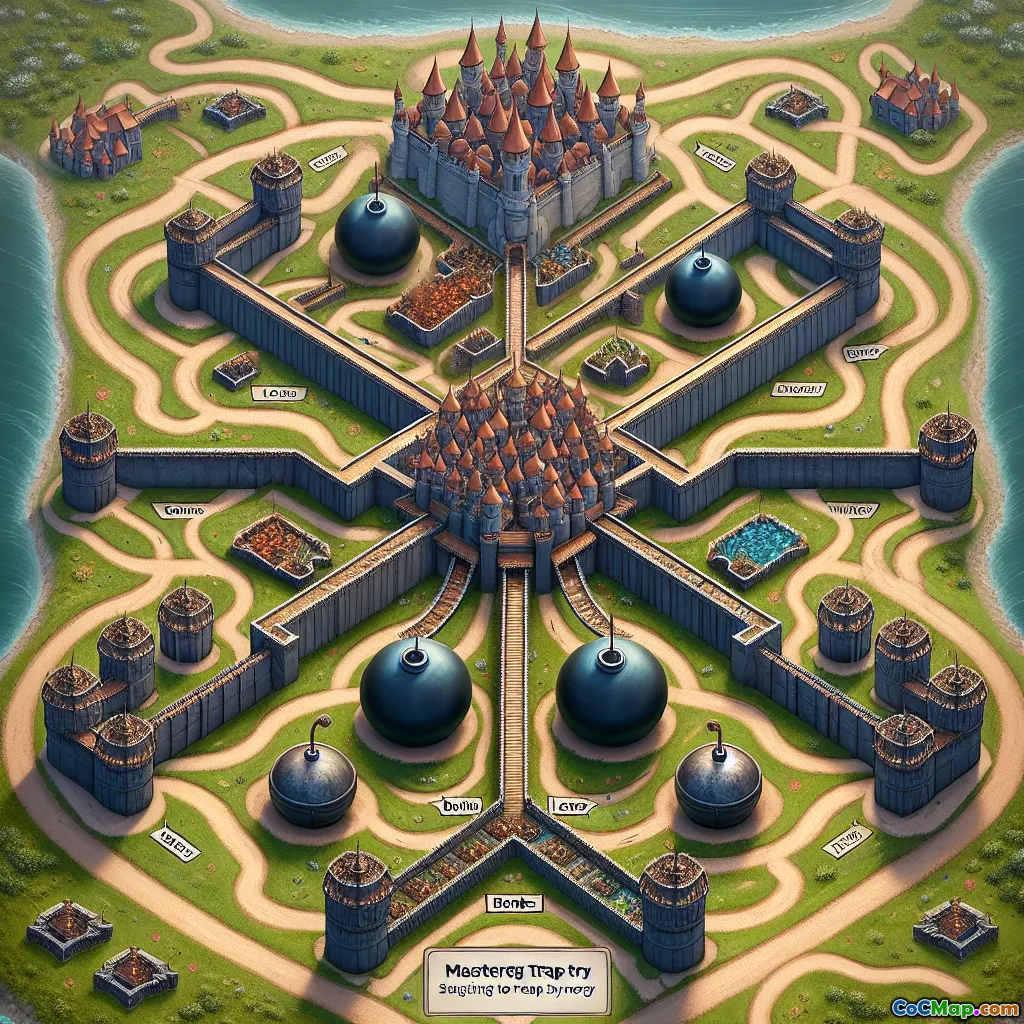
Mastering Trap Synergy: Combining Bombs, Giant Bombs, and Tornado Traps for Defense
Introduction
Have you ever watched a powerful attack on your Clash of Clans base unravel in seconds—not because of your walls or cannons, but due to a perfectly placed set of hidden traps? What if you could turn every raid into a nightmare for your opponents, using nothing but clever trap synergy? Understanding how to combine Bombs, Giant Bombs, and Tornado Traps isn't just for advanced players—it's the secret weapon that separates average bases from truly formidable fortresses.
In this guide, you'll discover how to master the art of trap synergy, turning your base's hidden defenses into a coordinated force capable of shattering even the most seasoned attackers. We'll break down the mechanics, placement strategies, and real-world scenarios that bring these traps together for devastating results.
The Science of Trap Synergy: Why It Matters
What Is Trap Synergy?
Trap synergy is the strategic placement and timing of multiple traps to amplify their effect. Instead of relying on each trap to perform individually, you design your layout so that their powers combine—catching attackers off-guard and maximizing destruction.
Why Synergy Beats Solo Traps
A single Bomb or Giant Bomb can only do so much. But when a Tornado Trap pulls a pack of Hog Riders onto a double Giant Bomb, or a Bomb softens up a group of Bowlers before a Tornado Trap holds them in place for splash damage, the results are exponentially more devastating. This is why top-level base designers always think in terms of trap combinations, not isolated triggers.
Deep Dive: Understanding Each Trap
Bombs
- Damage: Moderate splash damage to ground units.
- Best Against: Small groups of support troops (Wizards, Bowlers, Archers).
- Key Stats: At max (TH15), deals 92 damage in a 1.5-tile radius.
- Placement Tip: Near funnel points, behind high-HP buildings, or in pairs to surprise Queen Walks.
Giant Bombs
- Damage: High splash damage to ground units.
- Best Against: Hog Riders, Miners, Bowlers, Witches, and groups of ground troops.
- Key Stats: At max, deals 375 damage in a 3-tile radius.
- Placement Tip: Between defenses to punish pathing, or paired (Double Giant Bomb) to instantly wipe out Hog Riders.
Tornado Trap
- Effect: Pulls and holds enemy troops in place for up to 6 seconds, dealing minor damage.
- Best Against: Clumped troops, Balloons, Hog Riders, Queen Charge, and Battle Blimp payloads.
- Key Stats: At max, lasts 6 seconds with a 2.5-tile radius.
- Placement Tip: Near the Town Hall, key defenses, or where you expect high-value troops to path.
Section 1: Creating Deadly Trap Chains
The Classic: Tornado Trap + Giant Bomb
When attackers send in Hog Riders or Miners, they rely on speed and healing to survive. But a Tornado Trap can halt their advance, clustering them tightly. If you place a Giant Bomb within the Tornado Trap’s radius, it guarantees maximum damage—often enough to wipe out entire packs, especially if they’re under a Heal spell but caught for the full duration.
Example:
- Place the Tornado Trap just beyond the first layer of defenses, where Hog Riders typically converge.
- Position a Giant Bomb so that troops pulled by the trap will be forced onto it before the trap expires.
- The result? The Tornado Trap delays and groups, the Giant Bomb detonates at the peak of clustering—devastating the attack.
Bombs + Tornado Trap: Softening the Blow
While Bombs alone may not eliminate high-HP troops, they can weaken them enough for defenses to finish the job. Placing Bombs just before or within the Tornado Trap’s radius ensures that troops take initial damage, then get held in place for additional punishment.
Example:
- A Bomb triggers as Bowlers or Witches approach a corner.
- The Tornado Trap activates, holding them in place as the Bomb explodes and defenses focus fire.
- Even if the Bomb doesn’t kill, it disrupts spell timing and weakens troops for follow-up damage.
The Triple Threat: Bomb + Giant Bomb + Tornado Trap
For maximum carnage, combine all three. This setup can obliterate everything from Miner swarms to Hero pushes:
- Place a Bomb at the entry point to soften up troops.
- Follow with a Giant Bomb in the Tornado Trap’s radius.
- The Tornado Trap ensures that troops can’t escape the Giant Bomb’s blast, while the Bomb chips away at their health.
Section 2: Smart Placement—Reading Attacker Paths
Predicting Attack Vectors
Trap synergy only works if your traps actually trigger. Study popular attack strategies at your Town Hall level:
- Hog Rider/Hybrid: Focus traps between defenses and near core compartments.
- Queen Charge: Place traps near high-value objectives (Eagle, Scattershot, Town Hall).
- Bowlers/Witches: Use traps along wide funnel paths and behind splash defenses.
Layered Trap Zones
Rather than scattering traps, create “kill zones” where multiple traps overlap. For example:
- Tornado Trap in the core, flanked by Giant Bombs and Bombs.
- This ensures that even if attackers use spells or abilities, the cumulative damage and delay can overwhelm them.
Baiting and Punishing
Savvy attackers may predict trap spots. Occasionally, place a decoy trap or stagger your synergy setups to keep them guessing. Rotate placements after each war to maintain unpredictability.
Section 3: Adapting to Meta and Attack Trends
Responding to New Strategies
As attack metas shift (e.g., increased use of Super Miners or Electro Titans), adjust your trap synergy accordingly:
- Position Tornado Traps where new meta troops are likely to path.
- Cluster Bombs and Giant Bombs near jump spell entry points or funneling targets.
Learning from Replays
Review defense replays to see where attackers consistently path and where your traps trigger. Are they missing your synergy setups? Adjust placements to ensure maximum value.
Base Design Synergy
Coordinate with your overall base design:
- Use compartments to funnel troops into trap zones.
- Place storages or high-HP buildings to delay and group troops before they reach your trap cluster.
Section 4: Advanced Tips and Pro Insights
Timing and Spell Counterplay
- Heal Spells: Tornado Traps can delay troops long enough for Giant Bombs to detonate after the heal ends.
- Freeze/Poison: If attackers drop spells on your traps, ensure your synergy zone is large enough that spells can’t cover everything.
Anti-3 Star Defense
Top bases use trap synergy to prevent triple stars in war. For example, a Tornado Trap + Giant Bomb combo near the Town Hall can thwart a late-game Queen Charge or Battle Blimp snipe attempt.
Real-World Example: Pro War Base
In recent ESL tournaments, pro bases often feature a Tornado Trap just behind the Town Hall, flanked by Giant Bombs and Bombs. Attackers who try to secure the Town Hall with a Blimp or Queen Charge are caught, held in place, and obliterated before they can activate abilities or deploy spells.
Conclusion
Mastering trap synergy is more than just dropping traps at random—it’s about understanding troop pathing, predicting attacker behavior, and layering your defenses for maximum impact. By combining Bombs, Giant Bombs, and Tornado Traps in coordinated setups, you transform your base from a passive structure into an active, punishing gauntlet.
Next time you design (or tweak) your base, think in terms of synergy—not isolation. Watch your replays, adapt to the meta, and keep your opponents guessing. With these techniques, you’ll not only defend more stars, but also earn the respect (and frustration) of attackers everywhere. Ready to turn every raid into a highlight reel for your traps? The next step is yours.