Seasonal Update: What the June 2024 Update Means for Clan Wars
18 min read A practical, data-minded breakdown of the June 2024 update and how it reshapes Clan Wars strategy, bases, rosters, and CWL results.
Seasonal Update: What the June 2024 Update Means for Clan Wars
What if one line in the June patch notes is the difference between a draw and a 14–13 win? Seasonal updates rarely shout “Clan Wars overhaul,” yet the changes they bring—balance tweaks, roster rules, perk timing, or simple UI improvements—cascade into war plans, base design, and CWL placement. June 2024 is a classic example: subtle on paper, decisive in practice.
In this article, we translate the June 2024 seasonal update into war outcomes. You’ll find how it touches matchmaking, reshapes the attack meta, nudges base-building priorities, and affects your CWL roster decisions. Whether you lead a competitive clan or just want your war hits to feel cleaner, consider this your post-patch field manual.
TLDR Overview
- Matchmaking and roster management: Expect fairer pairings when accounts carry strong heroes, pets, and equipment—roster balance matters more than ever.
- Balance shaping the meta: Slight nudges to favored units and spells tilt the edge toward skillful planning over brute force. Safer two-star openers gain traction.
- Base building: Anti-blimp fundamentals increase in value; layered anti-Root Rider and anti-Hog paths rise in priority at high Town Hall levels.
- CWL and schedule: Season Pass perks accelerate war readiness mid-month—opportunistic clans time upgrades and lab work to hit CWL stronger.
Now let’s break down the details—and the decisions you should make.
1. Matchmaking and Roster Management: Why Your Lineup Matters More
June’s seasonal cycle reinforces an ongoing Supercell priority: cleaner matchmaking signals and fewer “feels bad” pairings. For Clan Wars, two practical takeaways matter:
- Power is measured beyond Town Hall level
- Modern war strength isn’t just TH level and walls—it’s heroes, pets, and hero equipment. Clans that stack heavy offense on a few accounts while keeping others underdeveloped get erratic pairings. Balanced rosters are pairing better.
- Action: Spread strength intelligently. Instead of funneling all Books and Hammers into one or two top accounts, elevate the middle of your war order—especially key spell levels, hero equipment, and core siege unlocks.
- Opt-in hygiene and role clarity
- Players who bounce in and out of war or run mismatched hero levels increase pairing volatility. Leaders should stabilize lineups for a few cycles.
- Action: Set participation tiers: top hitters, reliable percent farmers, cleanup specialists. Lock a consistent 15/30 lineup, then rotate only a few slots week to week.
What this means in practice: If you field two TH16s with max equipment and four TH16s with weak heroes and underleveled pets, you risk awkward mirrors. Instead, target an average that mirrors your likely opponents. You’ll notice fewer mismatches and more skill-centered wars.
2. Balance Pass and the War Meta: Safer Openers, Cleaner Finishes
Seasonal updates often deliver gentle balance adjustments that ripple through Clan Wars. June 2024 nudges the game toward planned precision over all-in brute force. Here’s how it plays out across common metas:
- Queen Charge variants are steady winners: Minor adjustments to high-utility troops and spell interactions mean Queen Charge Hybrid and Queen Charge Root Rider remain evergreen. However, sloppy funneling is punished more than before—expect less room to improvise once the opener misfires.
- Electro Dragon and Super Archer cheese face tighter windows: Anti-blimp layouts and small defensive tune-ups curb YOLO play. You can still triple, but it’s less about luck and more about pre-scouting and funnel anchoring.
- Root Rider lanes require real planning: Pathing through multi-target defenses and spring trap lanes matters more. Smart wall breaks or Jump placements recapture lost efficiency.
- Hog-based finishes re-emerge in mixed comps: As defensive timing windows widen, late Hogs with RC sweeps become reliable closers—especially after a solid funnel with a Warden walk.
Practical call: Think in phases—1) utility opener to secure key targets and pathing, 2) main push supported by spells and hero equipment timing, 3) surgical finish to convert 2-star 90% into a triple. June rewards the attackers who can hand off control between these phases cleanly.
3. Hero Equipment, Pets, and Timing: The Micro That Wins Wars
Post-equipment reworks, wars are as much about ability timing as troop composition. June’s environment continues to reward:
- Purpose-built equipment kits: Pair offensive items on the right hero for the plan. Example: Ranged or damage-boost gear for AQ in long charges; survivability or crowd control for BK when he anchors a tank lane.
- Pet synergy is non-negotiable: Diggy or Unicorn on the RC can secure the back-end sweep, while Phoenix or Unicorn with AQ stabilizes long charges. Flexible pet swaps—decided during scout—win close wars.
- Ability cadence: Pre-plan the 30–45 second windows where things can collapse. Equipment abilities used early to stabilize (rather than to spike damage late) convert shaky openers into safe stars.
Leader tip: Encourage your top hitters to lock two equipment loadouts per base style: an anti-blimp spread with heavy CC reach and an anti-charge core with back-end RC focus. Practice swaps in Friendly Challenges so switching feels automatic.
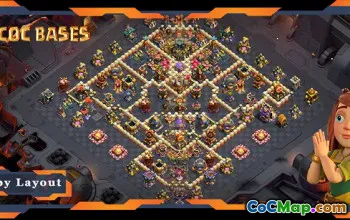
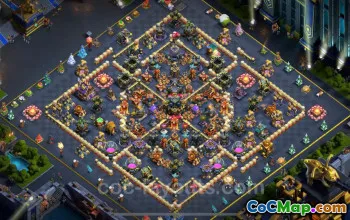
4. Base Building in June: Anti-Blimp Layers and Trap Discipline
Base-building always adapts first to balance shifts and only then to attacking creativity. For June’s environment, aim for the following:
-
Anti-Blimp positioning
- Pull Splash and key storages off the direct Town Hall line, forcing attackers to commit either more spells or a riskier angle.
- Use Tornado and Seeking Air Mines staggered around common blimp landings; make the first 2–3 tiles look inviting, then punish the stop.
-
Anti-Root Rider paths
- Funnel Root Riders into spring traps and single-target zones. Mix single and multi Inferno coverage to deter mass pathing through one layer.
- Spread Skelly traps to tax riders and delay a Royal Champion clean-up.
-
Anti-Queen Charge anchors
- Offset sweepers to force Rage efficiency decisions. Stacked ground-exposed Skelly spells or tight Tesla farms near key heroes create time pressure.
-
Ground-air hybrid resilience
- Make sure your air defenses and X-Bows are not all committed to one side; balanced coverage denies easy value trades if the attacker pivots mid-raid.
Common mistake to avoid: Telegraphed Town Hall boxes with predictable Tornado placements. Vary the Tornado spot by base style—opposite of the obvious tile if your layout already baits a standard approach.
5. Siege Machines After June: When to Blimp, When to Slam, When to Drill
- Battle Blimp remains high ceiling, higher risk: Anti-blimp layouts and trap layering push you to scout more carefully. If scouting reveals double Seeking Air Mines on the direct TH lane, consider a safer Stone Slammer or Log Launcher entry.
- Log Launcher gains value vs. compartmentalized cores: More walls equals more value; pair with jump or precise wall breaks to link compartments.
- Wall Wrecker is niche but reliable on ring bases: If your plan’s success hinges on guaranteed Town Hall access, Wrecker plus Freeze windows can be cleaner than a trap-prone blimp.
Rule of thumb: If your opening phase already demands 3–4 spells to survive, choose a siege that reduces spell dependency—Slammer or Wrecker—so you keep resources for the main push.
6. Spell Efficiency in the New Meta: Small Tweaks, Big Outcomes
June’s environment favors precise spell budgets:
- Freeze smarter, not more: Defensive timing windows are harsher if you’re late. Commit to either 1) planned double Freezes at key points or 2) no Freezes at all, letting your equipment handle stuns.
- Rage is premium for Queen Charge and Super Archer funnels: Guard it for long-duration value rather than panic saves.
- Invisibility still defines blimp value: On anti-blimp bases, map the Invis chain before you attack. If your chain uses more than three Invis to secure core value, reconsider the plan.
- Zap and Quake trades: Use Zaps to delete critical anchors that your kill squad can’t reach fast—e.g., a Sweeper that blocks blimp pathing or a multi Inferno that melts Healers during a charge.
7. CWL Strategy: Building a Lineup That Survives Seven Rounds
CWL magnifies every seasonal tweak. Optimize for consistency over flash:
-
Roster architecture
- Two anchor accounts with high triple potential, supported by mid-order players trained for reliable 2-star 85–95% hits.
- A cleanup specialist who can triple exposed bases with fast attack windows.
-
Attack planning rhythm
- Prep matches with two rehearsals: one to validate opener pathing, one to refine the finish. Use Friendly Challenges mirroring the base style, not just any challenge.
-
Lab and builder priorities
- Prioritize war-defining upgrades that finish before mid-week rounds. Spells, Healers, Root Riders, core heroes, and popular equipment pieces often convert immediately into better CWL outcomes.
-
Medal economy
- Use CWL medals on Books and Hammers that finish war-ready upgrades, not vanity. The June season pass discounts stack nicely—time purchases to bridge long upgrades finishing just before days 3–5.
8. Leader Checklist: Turn Patch Notes Into Stars
Here’s a two-week plan to operationalize June’s seasonal update:
Week 1
- Audit roster strength beyond TH level—include heroes, pets, and equipment.
- Assign roles and lock a stable war lineup; rotate fringe members only.
- Run a base refresh: update Tornado, SAM, and spring placements to punish current popular entries.
- Hold a practice night: require two FCs per attacker using their actual war equipment loadouts.
Week 2
- Finalize CWL lineup with a bench plan. Keep 2–3 flexible hitters ready.
- Publish attack templates for your clan: QC Hybrid, QC Root Rider, E-Drag safer openers, Lalo finishes, and Hog closers.
- Standardize scouting notes: CC comp guesses, blimp lanes, trap tells, key hero reach, and backup plan triggers.
Ongoing
- Track each players spell budgets and time fails. If average spell waste is above two per attack or time fails exceed 15 percent, schedule targeted drills.
9. Safer Openers You Can Trust After June
- Warden Walk into Smash: A 60–75 second Warden walk that removes a scatter or compartment sets pathing for a compact main push. Minimal risk if the base lacks early ground pressure.
- Queen Charge into Riders or Hogs: Charge to carve out multi Infernos or carve a channel to the Town Hall; finish with a surgical rider or hog sweep.
- E-Drag funnel with Slammer follow: Use two E-Drags to force a path and pick off air defenses, then commit with Slammer to avoid blimp trap stacks.
Backup plan principle: Every opener should include a pre-baked 2-star contingency—if the blimp path is scuffed or the charge loses Healers, flip to a guaranteed Town Hall take with the champion or a secondary siege.
10. Common Mistakes Post-Update and How to Avoid Them
- Overcommitting to the blimp because it worked last season: Re-scout. Anti-blimp layouts are stronger; spend spells wiser and consider ground sieges.
- Ignoring equipment timing: Using abilities reactively burns time and spells. Schedule your timings relative to defense clusters.
- Neglecting spring trap lanes: Riders and Hogs can evaporate on poor pathing; adjust your entry to cross fewer spring tiles.
- Rushing CWL upgrades: Upgrades that block heroes or sieges during CWL are worse than delayed improvements. Plan around match days.
11. Upgrade Priorities That Pay Off in Wars Right Now
If you can only push a handful of upgrades between wars, target these for the fastest war value:
- Spells: Rage, Freeze, and Invisibility. Their multipliers amplify your entire army, not just one unit.
- Healers: A single level on Healers increases Queen Charge reliability across all plans.
- Core war troops: Root Rider, Hogs, Balloons, and a reliable splash option for funneling like Baby Dragons or E-Drags.
- Hero equipment: Focus on your primary opener—AQ charge or BK tanking—and the RCs finisher tools.
12. Measuring Success After the Update
Track progress in the metrics that win wars:
- Conversion rate on first hits: Aim for more secure 2-star opens, fewer fails from blimp greed.
- Average percent on non-triples: Push 80–90 percent on misses with clean finishes.
- Spell efficiency: Fewer wasted Freezes or Invis spells; keep at least one clutch spell for the finish.
- Time management: Reduce time fails by pre-planning cleanups and keeping a pair of archers or minions for last 20 seconds.
Conclusion: Small Patch, Big Wars
June 2024 does not redefine Clash in one swing—but it absolutely reshapes Clan Wars in the margins where results are decided. Matchmaking rewards balanced rosters. Balance nudges emphasize planned entries over high-variance cheese. Base builders who layer traps thoughtfully blunt blimp abuse and rider floods. And leaders who time upgrades with the season pass convert economy into CWL placements.
Treat this seasonal update like a sharpening stone: refine equipment timing, re-check siege choices, and rehearse safer openers with backup plans. The clans that turn these subtle changes into routine will walk out of June with fewer draws, more triples, and a stronger CWL finish.
Take action this week: refresh your war bases, lock a stable roster, and run two focused practice sets. Let the patch be your edge—not your excuse.