Skeleton Trap Tactics: Disrupting Hero Charges and Funnel Attempts
10 min read Master Skeleton Trap tactics to disrupt hero charges and funnel attempts, turning hidden defenses into game-changing obstacles.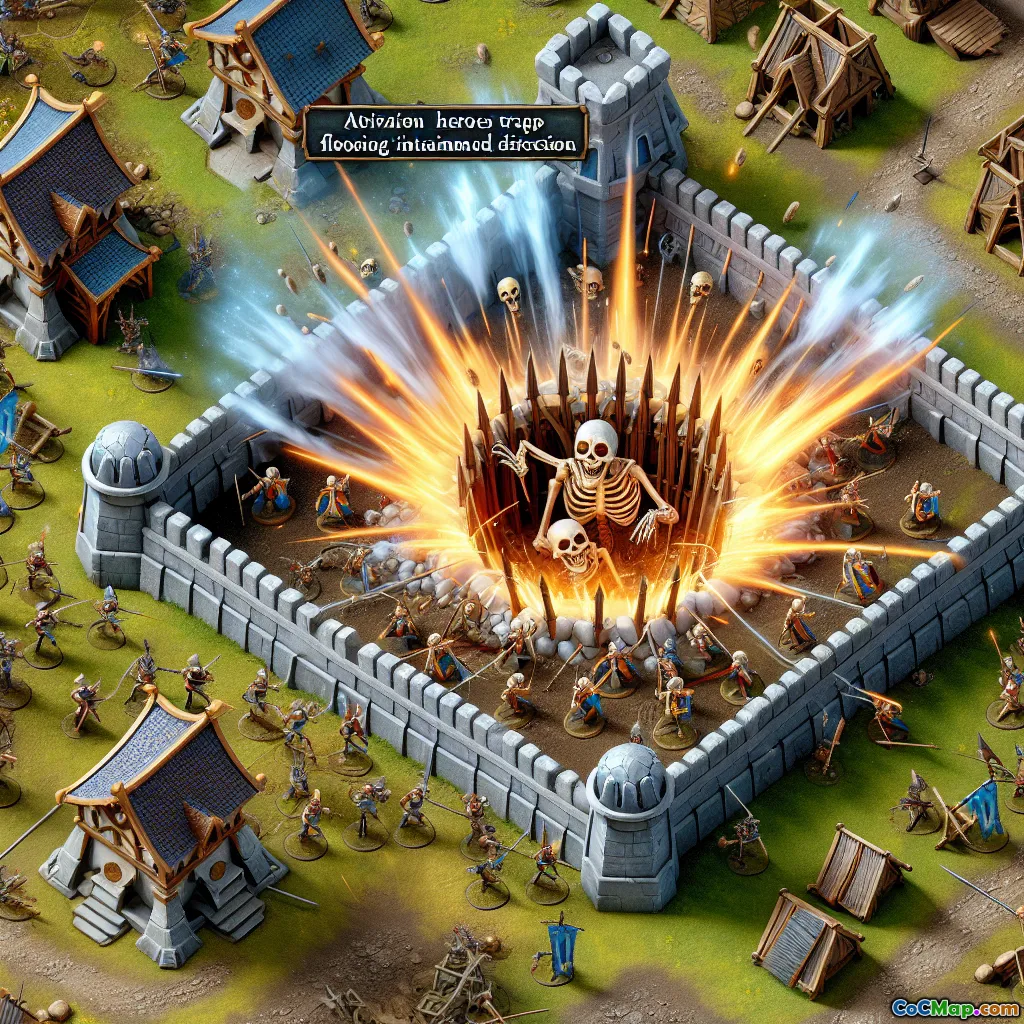
Skeleton Trap Tactics: Disrupting Hero Charges and Funnel Attempts
Introduction
What if the smallest, sneakiest defense on your base could shatter even the most meticulously planned hero charge? In Clash of Clans, Skeleton Traps are often overlooked, yet in the hands of a strategic defender, they become the ultimate disruptors—capable of derailing funnel attempts, stalling hero pushes, and turning the tide of a raid. Are you making the most of these hidden menaces, or are you leaving your base vulnerable to the game’s top attackers?
This article dives deep into Skeleton Trap tactics, revealing how to weaponize these tiny terrors to frustrate attackers, protect your core, and defend against the most popular meta strategies. Whether you’re a seasoned builder or a rising clanmate, mastering Skeleton Trap placement is a game-changer.
Understanding Skeleton Traps: The Basics and Beyond
What Are Skeleton Traps?
Skeleton Traps are hidden defensive structures in Clash of Clans that, when triggered by enemy troops, release a swarm of Skeletons. They can be set to target either ground or air units, making them versatile tools against a wide range of attack strategies.
Key Features:
- Stealth Activation: Remain invisible until triggered, catching attackers off guard.
- Customization: Can be toggled between ground and air targeting to adapt to meta shifts.
- Distraction & Delay: Skeletons swarm and distract enemy troops, especially heroes and high-damage units.
Why Are Skeleton Traps So Impactful?
While their damage output is modest, Skeleton Traps excel at disruption. Their true value lies in their ability to:
- Distract heroes during charges, causing ability misfires or premature spell use.
- Derail funneling troops, sending them off-path and breaking attack plans.
- Delay high-value units, buying time for defenses to focus fire.
Disrupting Hero Charges: Turning the Tables
The Threat of Hero Charges
Hero charges—especially Queen Charges—are a staple in high-level play. A well-executed Queen Charge can carve open a base, snipe key defenses, and set up devastating follow-up attacks. The attacker relies on precise pathing, spell timing, and minimal distractions.
How Skeleton Traps Disrupt Hero Charges
1. Distraction and Pathing Manipulation
When a Skeleton Trap pops near a hero, the spawned Skeletons become a priority target. This can:
- Pull the Queen or King off their intended path, causing them to ignore the planned funnel and wander into less optimal areas.
- Delay the hero’s advance, giving point defenses (like X-Bows or Inferno Towers) more time to inflict damage.
2. Burning Spells and Abilities
A swarm of Skeletons can force attackers to use valuable spells (Poison, Freeze, Rage) or even burn a hero’s ability earlier than planned. For example:
- Queen forced to use her ability while distracted by Skeletons and under fire from a defending Inferno Tower.
- Early Poison spell use, leaving the attacker vulnerable to Clan Castle troops later in the raid.
3. Timing and Placement
The effectiveness of a Skeleton Trap against hero charges is all about timing and placement:
- Place traps just outside the range of key defenses (e.g., Inferno Towers, Scattershots) to ensure heroes are distracted while under maximum threat.
- Avoid stacking all traps together; stagger them to prolong the distraction and maximize spell/resource drain.
Example: A popular anti-Queen Charge setup places a ground Skeleton Trap near an exposed Inferno Tower. As the Queen approaches, the trap triggers, distracting her just as the Inferno ramps up, often forcing an early ability or spell.
Breaking Funnel Attempts: Subtle Sabotage
Why Funneling Matters
Funneling is the backbone of every successful attack. By clearing specific buildings, attackers direct their troops (especially heroes and main forces) into the core of your base. Disrupting this process can cause armies to split, lose momentum, or fail entirely.
Skeleton Traps as Anti-Funnel Tools
1. Distracting Key Troops
Funneling often relies on small groups of troops (e.g., Wizards, Baby Dragons, Bowlers) to clear buildings. A well-placed Skeleton Trap can:
- Distract and delay these troops, allowing defenses to pick them off.
- Cause troops to retarget, missing crucial funnel buildings and breaking the attack’s pathing.
2. Forcing Pathing Errors
When a Skeleton Trap spawns on the edge of a funnel, it can pull heroes or troops away from their intended route, especially if the attacker underestimates the threat or is slow to react.
3. Pairing with Other Defenses
Combining Skeleton Traps with splash damage defenses (e.g., Bomb Towers, Mortars) can quickly eliminate funneling troops, making the trap’s distraction even more punishing.
Example: On anti-Hybrid bases, placing a Skeleton Trap near a key funnel building (like a Collector or Barracks) can draw Miners or Queen away from the core, causing the main push to split and lose effectiveness.
Advanced Placement Strategies: Maximizing Disruption
Adapting to Attack Patterns
Top attackers study bases for trap locations. To keep them guessing:
- Regularly rotate trap placements based on replay data and meta trends.
- Use asymmetrical setups to punish lopsided attacks.
Ground vs. Air Targeting
- Ground Skeleton Traps: Best for countering Queen Charges, Hybrid attacks, and ground funneling.
- Air Skeleton Traps: Effective against Lalo, Dragon, and Electro Dragon attacks, where Skeletons can distract and delay high-value air units (especially enemy Heroes like the Grand Warden).
Trap Synergy
- Tornado Trap + Skeleton Trap: A deadly combo. The Tornado Trap locks heroes or troops in place while Skeletons swarm, maximizing damage and distraction.
- Spring Traps: Place near Skeleton Traps to catch distracted ground troops unaware.
Mind Games: Baiting and Misdirection
- Fake Weakness: Leave a clear path to a key defense, but booby-trap it with Skeleton Traps and support defenses, luring attackers into a trap.
- Double Layering: Use two traps in close proximity but offset in timing, ensuring prolonged distraction.
Pitfalls and Common Mistakes
Overstacking Traps
Placing all Skeleton Traps in one spot may seem tempting, but it makes them vulnerable to a single Poison spell or splash damage. Spread them out to maximize value.
Ignoring Meta Shifts
If air attacks are dominating the meta, switch one or more Skeleton Traps to air mode. Flexibility is key to staying ahead.
Neglecting Replay Analysis
Always review attack replays to see if your Skeleton Traps are triggering as intended. Adjust placements based on common entry points and attack strategies.
Conclusion: Small Traps, Big Impact
Skeleton Traps may be small, but their strategic impact is massive. By mastering their placement and synergy with other defenses, you can:
- Disrupt hero charges, forcing attackers into costly mistakes.
- Break funnel attempts, derailing even the best-laid plans.
- Adapt to changing metas and keep your base unpredictable.
Don’t underestimate the power of hidden defenses. The next time you watch a Queen wander off or a funnel fall apart, remember: it might just be your Skeleton Trap making the difference. Experiment, analyze, and refine your setups—because in Clash of Clans, every trap counts.
Ready to turn the tables? Head into your base editor and give your Skeleton Traps the attention they deserve. Your defenses—and your clan—will thank you.