Skeleton Traps: Decoy Strategies to Confuse Attackers
8 min read Discover how Skeleton Traps serve as powerful decoy tools in Clash of Clans, confusing attackers and enhancing your base's defenses with strategic placement and timing.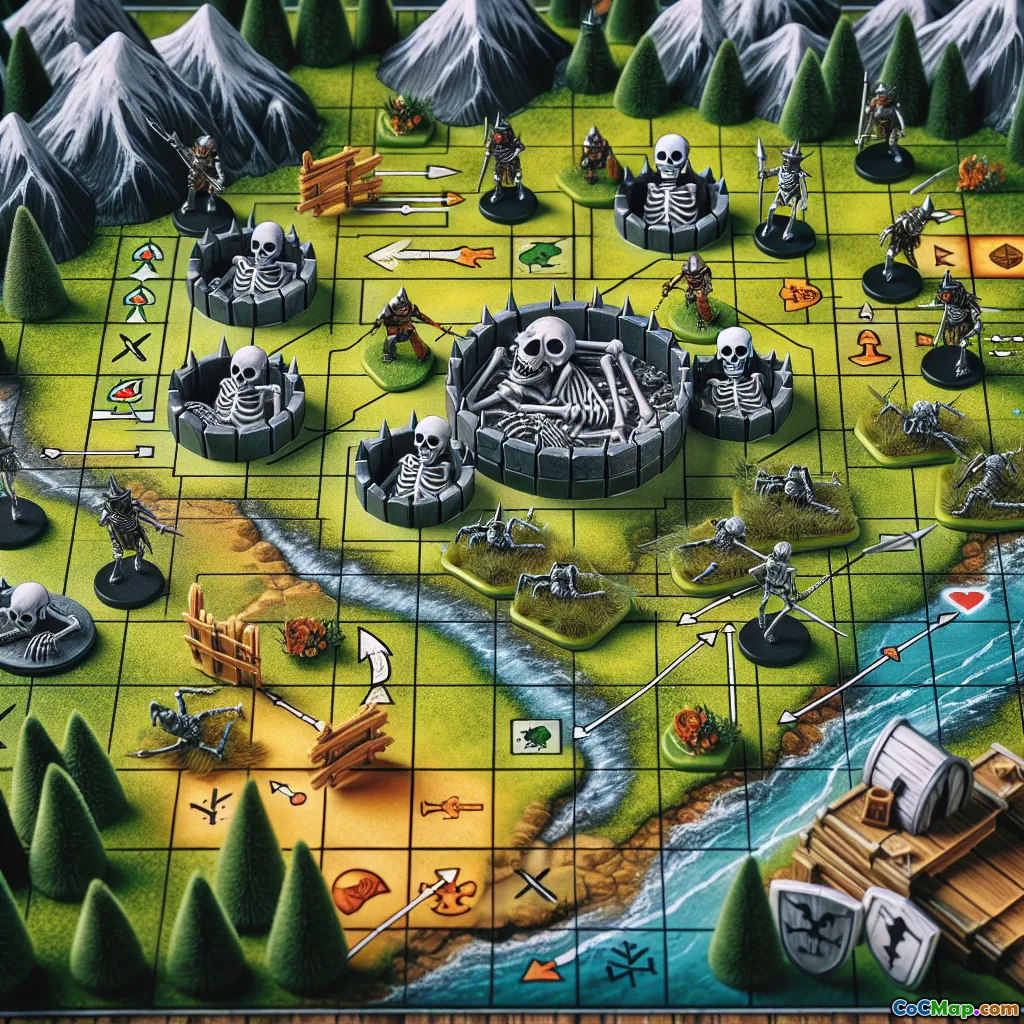
Skeleton Traps: Decoy Strategies to Confuse Attackers
Introduction
In the intricate world of Clash of Clans, defensive layouts are as much about psychological warfare as they are about raw firepower. Among the myriad of traps and hidden defenses, Skeleton Traps stand out as one of the most deceptive and versatile tools in a defender's arsenal. Have you ever wondered how some clans consistently frustrate even the most aggressive attackers? The secret often lies in the clever deployment of Skeleton Traps—decoy structures that can mislead, distract, and ultimately dismantle enemy strategies. This article delves deep into the strategic use of Skeleton Traps, revealing how they can be optimized to confuse attackers and bolster your base's defenses.
Understanding Skeleton Traps: The Basics
What Are Skeleton Traps?
Skeleton Traps are small, hidden defensive buildings that release a swarm of skeletons when triggered. Unlike traditional traps that cause immediate damage, Skeleton Traps serve as psychological decoys—luring in troops and distracting them from primary targets. They can be set to release either a handful of skeletons or a large horde, depending on your strategic needs.
How Do They Work?
When an attacking troop steps within the trap's activation radius, it triggers the release of skeletons. These skeletons then engage nearby enemy units, often forcing them to divert their focus from critical defenses or the Town Hall. The skeletons themselves are weak but numerous, making them effective at absorbing hits and disrupting attack patterns.
Types of Skeleton Traps
- Ground Skeleton Traps: Activated by ground troops, ideal for diverting Giants, Hog Riders, or Bowlers.
- Air Skeleton Traps: Triggered by air units like Balloons, Minions, or Dragons, providing a surprise aerial defense.
Placement Considerations
Proper placement is crucial. Skeleton Traps should be positioned where they can intercept key attacking units, especially those targeting high-value structures like the Town Hall, Clan Castle, or resource storages. Strategic placement can turn a simple trap into a game-changing decoy.
Strategic Decoy Use of Skeleton Traps
Why Use Skeleton Traps as Decoys?
The primary advantage of Skeleton Traps lies in their ability to mislead attackers. They can be used to:
- Distract High-Damage Troops: Such as Witches, Bowlers, or heroes, forcing them to waste time and resources.
- Divert Air Attacks: Air Skeleton Traps can pull in air units, disrupting air strategies and protecting vital defenses.
- Protect Critical Structures: By baiting troops away from the Town Hall or Clan Castle, Skeleton Traps can buy crucial seconds.
Decoy Placement Strategies
- Near Key Targets: Place Skeleton Traps close to the Town Hall, Clan Castle, or resource storages. When triggered, they pull attacking units away from these high-value structures.
- In Funnel Points: Use Skeleton Traps at choke points or entry points where attackers are likely to deploy troops early.
- Behind Walls or Hidden Corners: Conceal traps behind walls to surprise attackers who think they have cleared the area.
Timing and Activation
Skeleton Traps can be set to activate at specific times, especially if you have multiple traps in a sequence. This timing can be coordinated to maximize confusion during the attack's critical phases.
Case Studies: Effective Skeleton Trap Deployments
Case Study 1: Protecting the Town Hall
A player strategically places a Skeleton Trap behind a wall near the Town Hall. During a raid, the attacker deploys a Jump Spell and Giants to target the Town Hall. As Giants approach, the Skeleton Trap triggers, releasing skeletons that distract the Giants and heroes, delaying their destruction of the Town Hall and allowing the defender's other defenses to finish the job.
Case Study 2: Disrupting Air Attacks
In an air raid scenario, a Skeleton Trap set to trigger on air units pulls Balloons and Minions away from the core defenses. This misdirection causes the air units to linger longer in the trap's vicinity, allowing air defenses like Archer Towers and Air Defense to eliminate them efficiently.
Case Study 3: Diverting Hog Riders
Hog Riders are notorious for their speed and ability to bypass walls. Placing Skeleton Traps along their expected path can cause them to focus on Skeletons, wasting their jump and heal spells, and exposing them to splash damage from Wizard Towers and Bomb Towers.
Tips and Best Practices
- Mix Trap Types: Use a combination of ground and air Skeleton Traps to cover multiple attack strategies.
- Use Multiple Traps: Deploy several Skeleton Traps in sequence to sustain the decoy effect throughout the attack.
- Coordinate with Other Defenses: Position Skeleton Traps near Hidden Teslas, Bombs, or Spring Traps for maximum disruption.
- Adapt to Opponent's Strategy: Observe common attack patterns in your clan or clan war and adjust trap placement accordingly.
- Upgrade for Effectiveness: Upgrading Skeleton Traps increases their durability and the number of skeletons released, making them more effective decoys.
Conclusion
Skeleton Traps are more than just simple decoys; they are strategic tools that, when used wisely, can dramatically alter the outcome of an attack. By understanding their mechanics, placement, and timing, players can craft defenses that deceive and dismantle even the most well-planned raids. Embrace the art of decoy tactics with Skeleton Traps, and turn your base into a labyrinth of confusion and resilience. Remember, in Clash of Clans, sometimes the best offense is a well-placed trap.
Call to Action
Start experimenting with Skeleton Trap placements today. Analyze your attack patterns, identify vulnerable points, and deploy these decoys to keep your enemies guessing. With strategic use, Skeleton Traps can be the unsung heroes of your defensive setup—so master their placement and watch your defenses stand stronger than ever.